When Women Win, the Game Grows: Expanding Opportunities for Girls in Hockey
When Women Win, the Game Grows

During Women’s History Month, we’re reflecting on the recent Olympic gold medal win by the U.S. Women’s Hockey Team.
There’s something powerful about watching women stand on an Olympic podium. It’s pride, of course. But it’s also something more lasting: girls at home seeing what’s possible.
Moments like that don’t end when the celebration is over. They carry into everyday life into community centers, rec leagues, and car rides home when a parent asks, “Do you want to try hockey?”
And increasingly, the answer is yes.
Girls’ hockey participation in the United States has grown steadily over the past decade. According to USA Hockey, female youth participation has increased by nearly 40 percent since the early 2010s.
That growth has been fueled by more visibility at the highest levels of the game, from Olympic competition to the launch of the Professional Women’s Hockey League in 2024, which quickly drew record-setting crowds and national attention.
That’s why we’re celebrating the women who push sport forward, whether on podiums, in boardrooms, or inside local community programs.
Meghan Gess
League Success Marketing Manager

Before the Big Stage

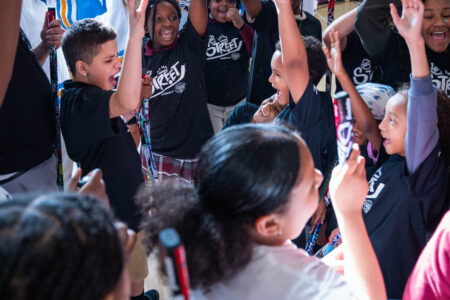
Long before college programs, professional leagues, or international tournaments, there’s a first experience with the game. For many kids, that introduction doesn’t happen on ice. It happens in a school gym, a neighborhood park, or a local recreation league—somewhere close to home in a setting that feels welcoming.
Recreational sports play a quiet but essential role in that pathway. They ease early pressure, lower financial barriers, and give families space to explore a sport without committing to an elite track from day one. When those first experiences are positive, kids are far more likely to stay involved.
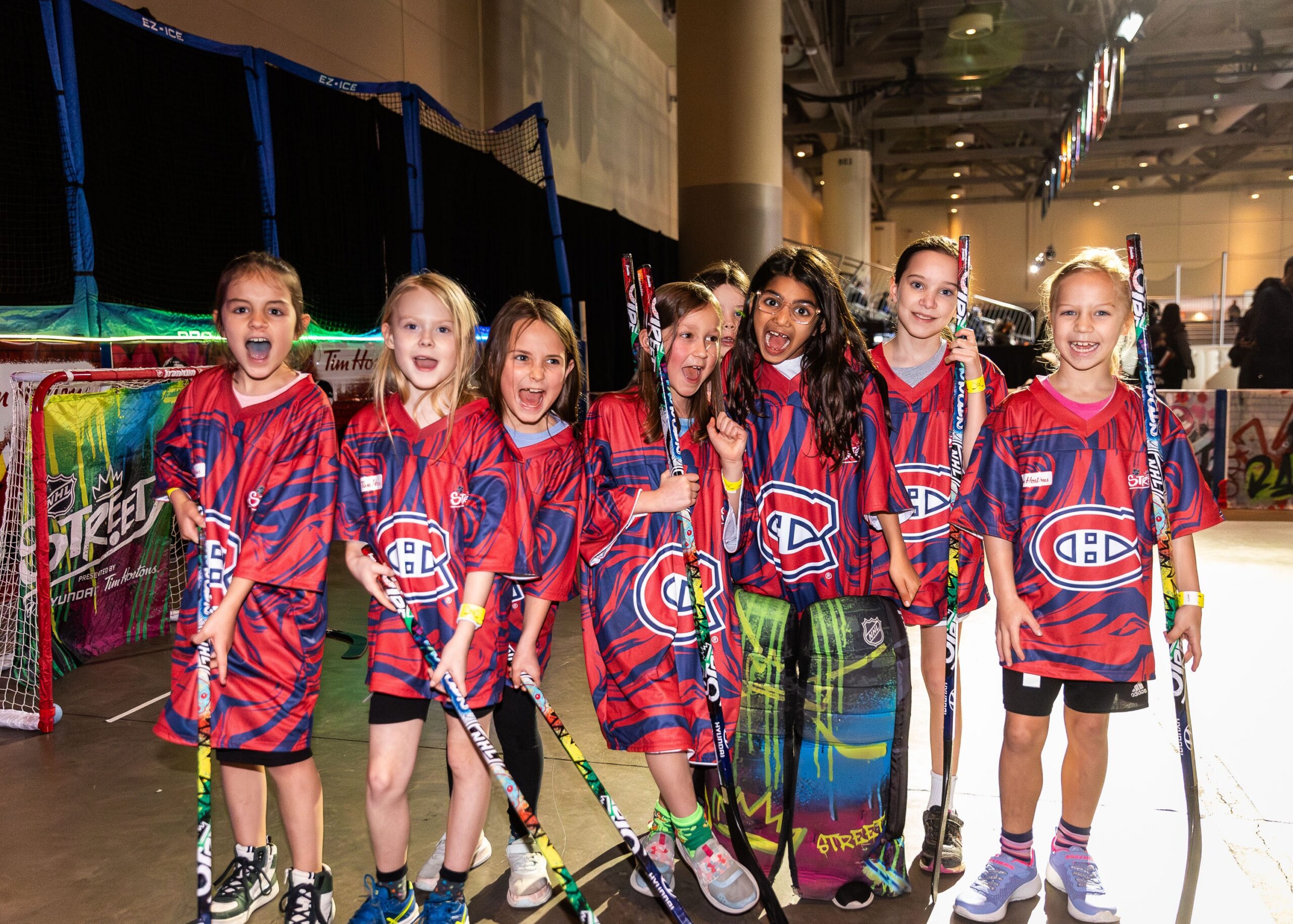
That’s where programs like NHL STREET™ matter most.
Garland Cooper
Chief Operating Officer at RCX Sports

Hockey Without the Barriers

Ball hockey strips the game down to its basics: no ice, minimal equipment, and a structure built for schools, parks, and community centers. It allows communities without rink access to participate meaningfully in hockey’s growth. For many girls, it becomes the first place they build confidence in the game.
Leaders across the hockey community have long recognized the role ball hockey can play in making the sport more accessible. One of them is Mandi Duhamel, whose career has spanned playing, coaching, and growing the game at multiple levels.
Duhamel played collegiate hockey at the University of Ottawa and later built a coaching career across both ice and ball hockey. She previously represented Canada in international ball hockey competition and has remained closely connected to the sport as both a coach and advocate for expanding access to the game.
Today, she serves as Vice President of Industry Growth & Community Development at the NHL, where her work focuses on initiatives that increase participation and strengthen pathways into hockey. She is also set to serve as Head Coach for Team Canada at the 2026 Ball Hockey World Championships, continuing her long-standing involvement in the sport.
Mandi Duhamel
Vice President of Industry Growth & Community Development at the NHL

The future of women’s hockey won’t be decided only by medal counts or attendance records. It will be shaped by whether girls have places to play next week, and recreational leagues are often that first door. They are where confidence is built, friendships are formed, and love for the game takes root. They are also where communities can respond quickly to moments of national visibility, turning increased interest into increased participation.
When women win on the world stage, it moves the sport forward. It shifts perception. And it expands the audience. But the real growth happens locally, in the everyday spaces where kids pick up a stick for the first time.
Get Involved
Learn more about NHL STREET™ in your community.